
Mark Brammer
Positioning Programme Lead, UK National PNT Office
Dr. Mark Brammer is the Positioning Programme Lead in the UK National PNT Office – a cross-government team established to address the risk for the loss of PNT services. He is a career combat aviator, with active duty service in both British (active) and US Air Forces (1994 – 2006). He was previously the UK Defence Intelligence Operations Team Lead for Air and Space Capability Assessment and is a technical advisor and policy liaison to the UK Space Agency, a member of the UN Geodesy Subcommittee and the UK element of the European Space Agency Navigation Innovation Support Programme. He is both a policy and technical lead for the UK / France PNT Bilateral Cooperation Programme and eLORAN International Standardisation work currently spearheaded by these nations and a design authority for the United Kingdom’s eLORAN Programme and PNT Interference Warning System. Dr Brammer is also a UK delegate to the United Nations International Committee on Global Navigation Satellite Systems (UN ICG).
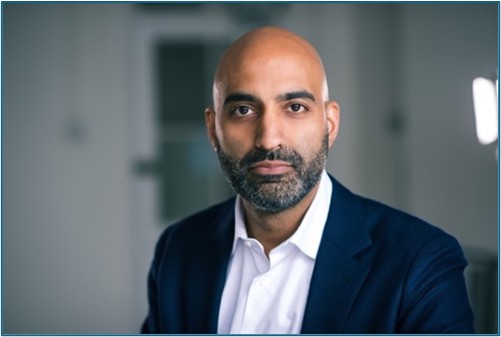
Deeph Chana
Imperial Business School, Imperial College London
Deeph Chana is a researcher, technologist, and innovation strategist specialising in dual-use technologies at the intersection of space, security, and advanced engineering systems. With over two decades of leadership across academia, government, industry, and international security institutions, his work focuses on how frontier technologies transition from research to operational capability at pace—particularly in domains critical to resilience and positioning, navigation, and timing (PNT).
He is the founding architect of NATO’s Defence Innovation Accelerator for the North Atlantic (DIANA) and the NATO Innovation Fund (NIF) and served as DIANA’s inaugural Managing Director. In this role, he built the world’s first multi-sovereign deep-tech accelerator ecosystem, explicitly designed to advance dual-use and space-based technologies and strengthen innovation pipelines across 32 nations representing 1Bn citizens.
Professor Chana is currently based at Imperial College Business School, where he works on applied machine learning, innovation systems, and deep-tech commercialisation. He is also an Advisor to Hiro Capital, supporting investment strategy across frontier technologies including AI, space-adjacent systems, and next-generation infrastructure.

Florin-Catalin Grec
Mission and Experimentation Engineer of the LEO-PNT Project, Directorate of Navigation, ESA
Florin-Catalin Grec holds a PhD (2025), and MSc (2015) in Geomatics from the Polytechnic University of Milano and BSc (2013) in Geodesy from the Polytechnic University of Timisoara. After graduating he conducted research on mass-market GNSS for landslides monitoring, GNSS antenna calibration, solutions for GNSS CORS networks, and Network RTK positioning techniques while at Leica Geosystems. He is currently the Mission and Experimentation Engineer of the LEO-PNT Project in the Directorate of Navigation of the European Space Agency. He also contributes to 3GPP RAN1 and RAN2 working groups where he is playing a central role in the standardization of satellite- and terrestrial-based positioning in mobile wireless technologies since 2017.
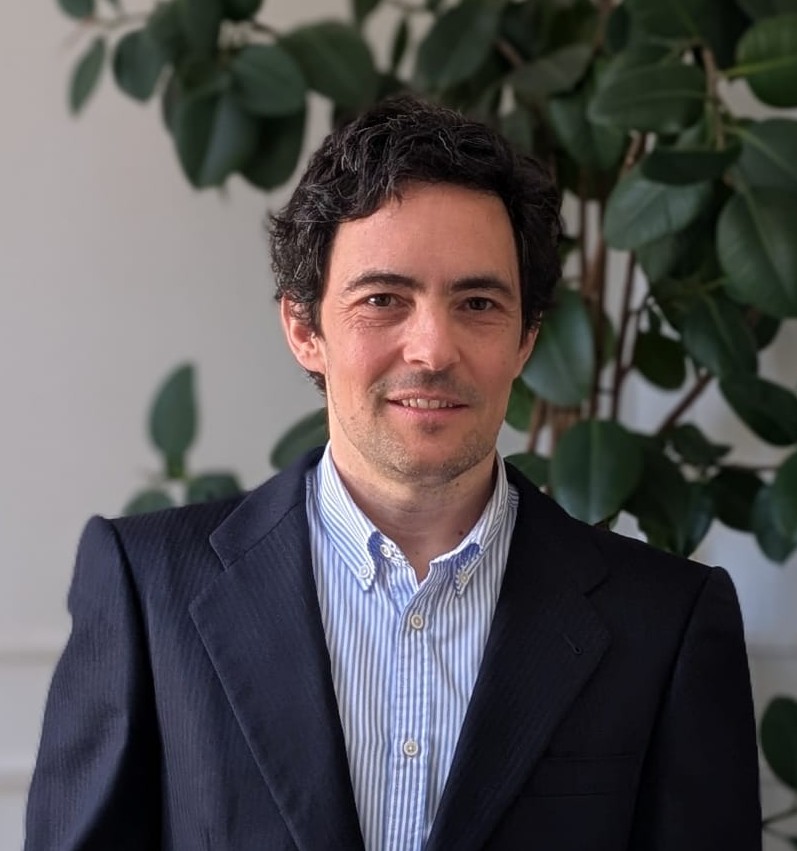
Ignacio Fernández Hernández
Galileo Authentication and High Accuracy Service Manager, European Commission, DG DEFIS
Ignacio Fernández Hernández is a civil servant at the European Commission's DG DEFIS, where he has led the design and development of Galileo's high accuracy and authentication services. He also chairs several international groups on PNT resilience, Precise Point Positioning and authentication. Previously, he worked for the European aerospace industry as a systems engineer and EGNOS test manager, among other roles. He holds an engineering degree from ICAI, Madrid, an MBA from LBS, London, and a PhD in electronic systems from Aalborg University. He has been a visiting scholar at Stanford University and is currently a visiting professor at KU Leuven, teaching satellite navigation and communications. He is the co-author of over 150 publications, including a book and several patents. His technical interests include end-to-end design of navigation systems and services, GNSS receivers, cryptography and high-accuracy positioning.
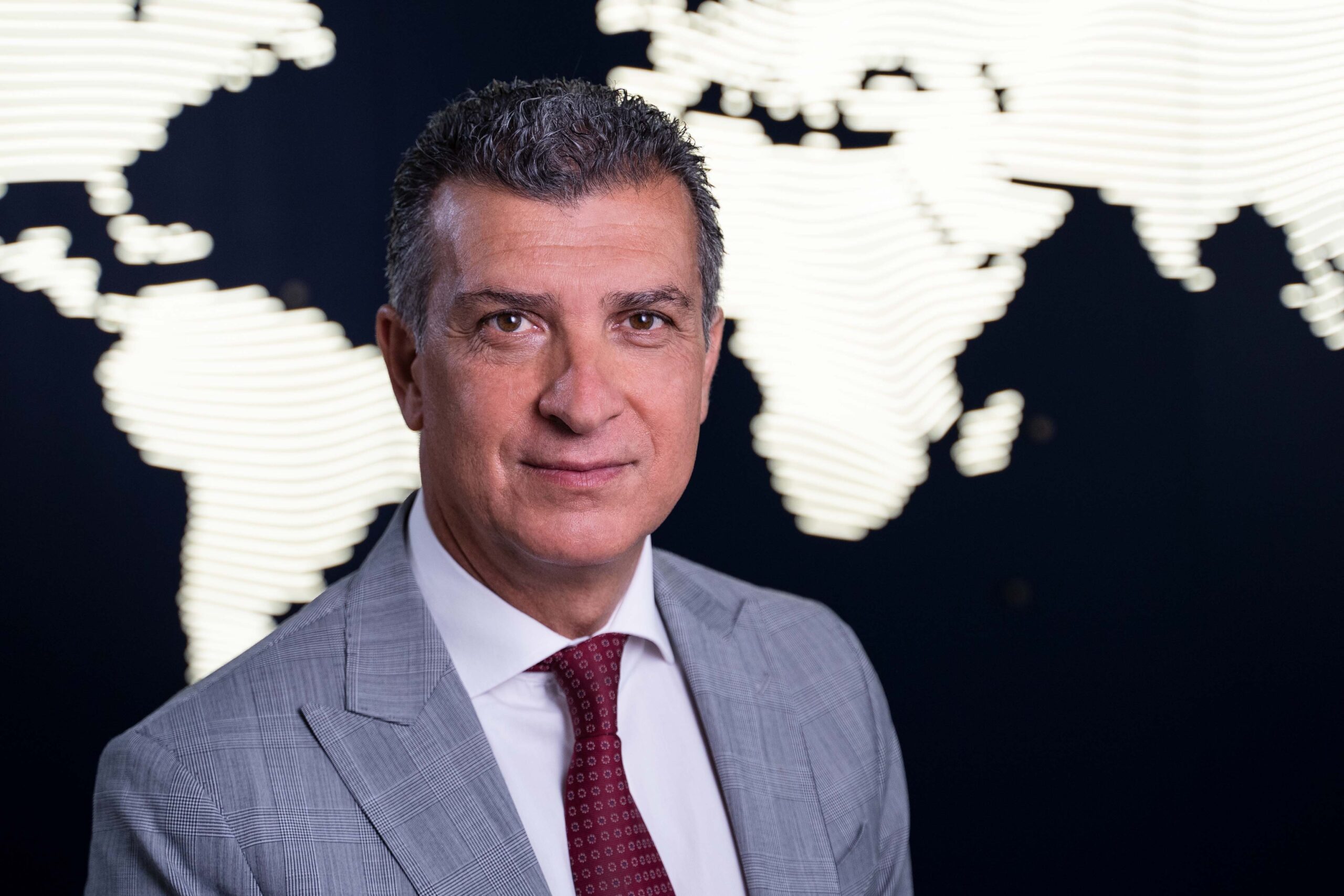
Marco Folino
Chief Executive Officer, Spaceopal GmbH
Marco Folino is the Chief Executive Officer of Spaceopal GmbH.
Holding a Master of Science in Electronic Engineering, he brings over four decades of international experience across the environmental, telecommunications, and space sectors. He began his career in 1985 as an analyst/programmer and joined Datamat SpA in 1987, where he rapidly progressed through a series of leadership roles across multiple business domains. In 1998, he was appointed Head of the Meteorology & Environment Unit, driving innovation and growth in high-value operational services. Between 2004 and 2010, within Datamat and subsequently Elsag Datamat, he led the Space & Environment business units and also served as Director of Dataspazio SpA. Following the integration of the Elsag Datamat Space Business Unit into Telespazio SpA in 2011, he was appointed Senior Vice President of the Satellite Systems and Applications Business Unit, overseeing complex programs and operations at a transnational level across the Telespazio Group.
In 2017, he became CEO of Telespazio UK, where he strengthened the company’s market position and expanded its international footprint.
Since June 2020, he has been leading Spaceopal GmbH, driving operational excellence and innovation in global satellite navigation services.
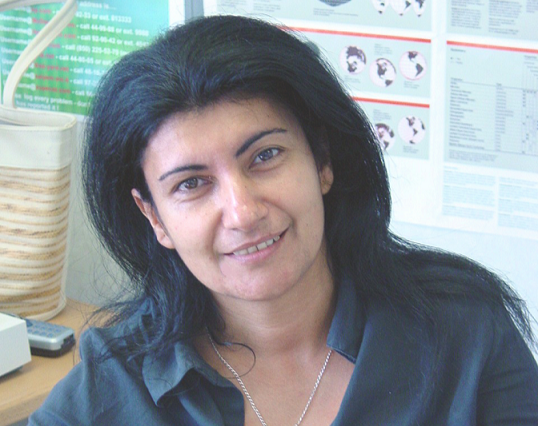
Sharafat Gadimova
Executive Secretariat of the International Committee on Global Navigation Satellite Systems (ICG), United Nations Office for Outer Space Affairs (UNOOSA)
Sharafat Gadimova has been with the United Nations Office for Outer Space Affairs since 2004. Ms. Gadimova leads the United Nations Programme on Space Applications’ activities on global navigation satellite systems (GNSS) and space weather. She coordinates the work of the International Committee on global navigation satellite systems (ICG) and its Providers’ Forum. She is a chair of the ICG Working Group on Capacity Building and Information Dissemination, and she spearheaded the development of education curriculum in GNSS for the United Nations-affiliated Regional Centres for Space Science and Technology Education. Ms. Gadimova graduated from the Azerbaijan State Oil and Industry University in Baku and holds a Master of Engineering in Electrical Engineering and a Master of Science in Remote Sensing and Geographic Information System.

Aarti Holla-Maini
Director, United Nations Office for Outer Space Affairs
Aarti Holla-Maini is the Director of the UN Office for Outer Space Affairs (UNOOSA), having taken up post on 18th September 2023 following her appointment by United Nations Secretary-General António Guterres. Ms. Holla-Maini brings over 25 years of experience in the space and satellite sector, working predominantly with international organizations and regulators. Prior to the United Nations, she held the post of Secretary-General of the Global Satellite Operators Association.
Ms. Holla-Maini is a recognized leader with a strong track record in forging public-private and cross-sector partnerships; high-level advocacy at the international level; strategic communication and managing diverse stakeholders. Under her leadership, Ms. Holla-Maini expanded the association from being a regional organization to a global one representing commercial satellite operators around the world.
She was one of the chief architects of the Crisis Connectivity Charter established in 2015 for emergency telecommunications via satellite with the UN World Food Programme’s Emergency Telecommunications Cluster and has, on multiple occasions, secured recognition and policy support for space technologies to play their rightful role in connecting the unconnected, in Europe, Africa and beyond. Ms. Holla-Maini’s experience has included service as a member of the World Economic Forum's Global Future Council on Space; member of the Advisory Group of the Space Sustainability Rating managed by eSpace at EPFL Space Center; member of the Advisory Board of the Satellite Industry Association of India; Senior Space Policy Advisor to Forum Europe and an Expert Advisor on Space Traffic Management for European Union studies 2021-2023.
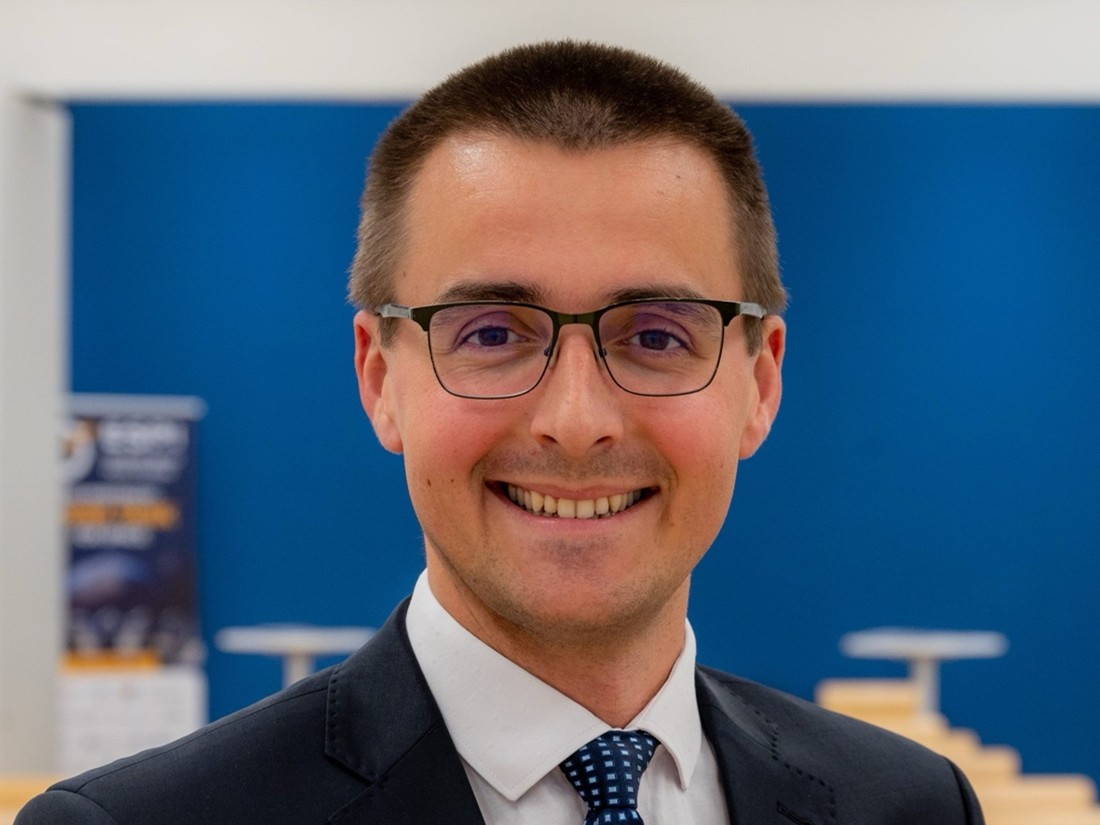
Tomas Hrozensky
Associate Director for European Engagement, Communication and Media, European Space Policy Institute (ESPI)
Tomas Hrozensky joined the European Space Policy Institute (ESPI) in 2018 and currently has the role of Associate Director for European Engagement, Communication and Media. He holds MA and PhD in international affairs from the Matej Bel University in Banska Bystrica, Slovakia. Prior to joining ESPI he was Fulbright Scholar at the Space Policy Institute of the George Washington University, a researcher for the Space Security Index, chair of the Slovak Space Policy Association NGO, and member of Slovak delegation to the UN COPUOS.

Susanne Katzler-Fuchs
CEO, BRIMATECH Services GmbH
Susanne Katzler-Fuchs works at BRIMATECH Services GmbH at the interface of space innovation, market uptake, and policy. Her work focuses on translating GNSS and PNT resilience solutions from R&D into operational services, with a strong emphasis on user needs, stakeholder coordination, and sustainable business models. She is involved in several European initiatives on GNSS interference monitoring and resilience of critical infrastructure, bringing a perspective on how Protect–Toughen–Augment approaches can be effectively implemented and adopted across sectors.
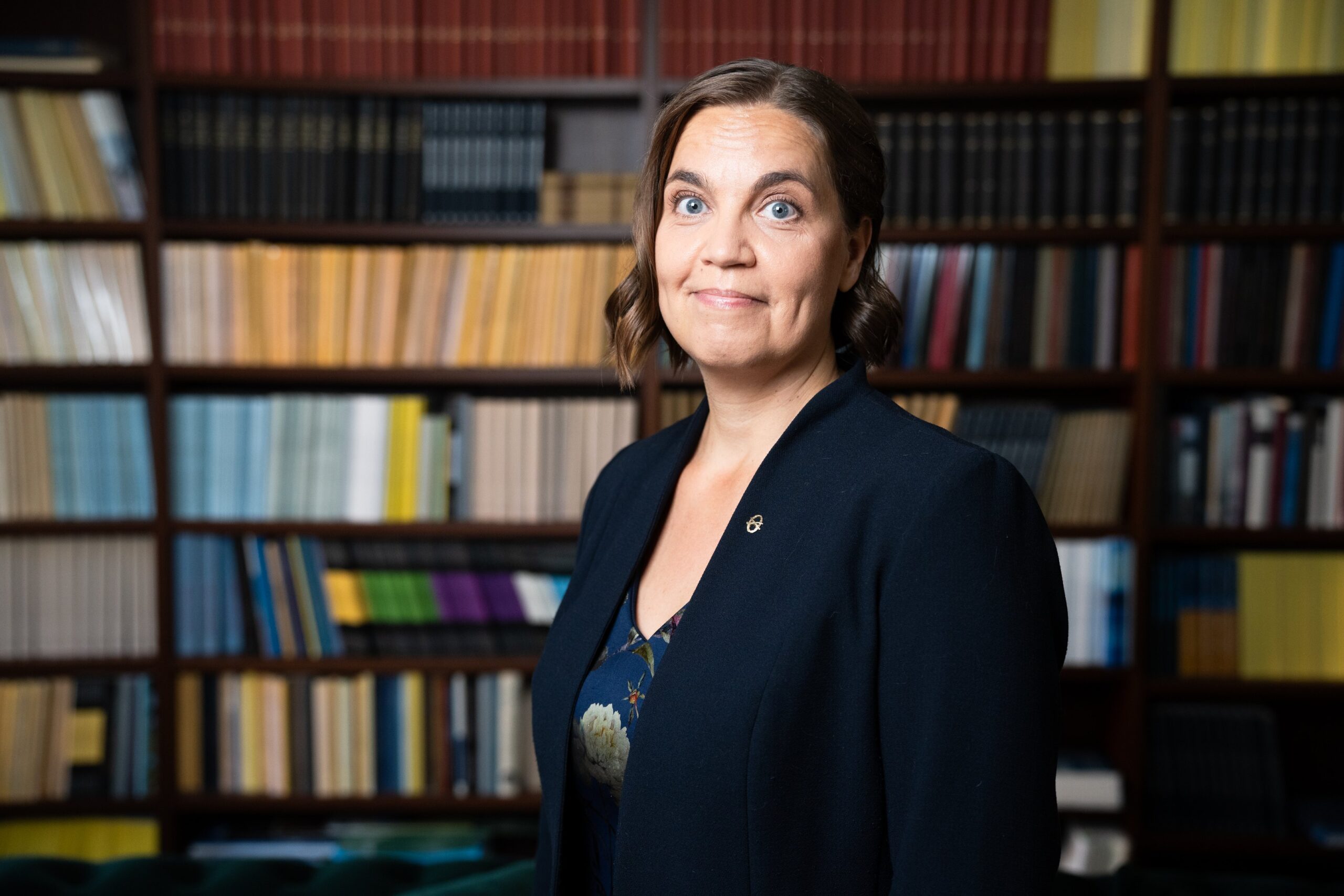
Heidi Kuusniemi
Professor, Wireless Systems Tampere University, Finland
Heidi Kuusniemi is a Professor of Wireless Systems at Tampere University, Finland, holding a joint professorship with the Finnish Geospatial Research Institute of the National Land Survey of Finland. Her research focuses on resilient positioning, navigation and timing (PNT) systems, including satellite navigation interference detection and mitigation as well as reliable multi-system and multi-sensor navigation. Her work bridges the domains of geospatial technology, wireless systems and cybersecurity, with the goal of ensuring trustworthy positioning and situational awareness from space to Earth. Prof. Kuusniemi has led numerous national and international research and development projects on localization resilience, sensor fusion and the space economy. She is President of the Nordic Institute of Navigation and a member of the Finnish Academy of Science and Letters as well as the Finnish Academy of Technical Sciences, and was named Professor of the Year 2025 by the Professors’ Union of Finland.
Rafael Lucas-Rodriguez
Head of the Navigation Innovation and Support Programme (NAVISP) Office, ESA
Rafael Lucas-Rodriguez holds a degree in Telecommunications Engineering from the Polytechnic University of Catalonia (Spain). He has extensive experience in satellite navigation systems developed through his work at the European Space Agency across several of its Global Navigation Satellite Systems (GNSS) programmes.
Rafael currently serves as Head of the Navigation Innovation and Support Programme (NAVISP) Office at ESA. The mission of the programme is to drive the development of novel PNT technologies, enhance the competitiveness of European industry, and support participating states in achieving their national strategic objectives in this domain.
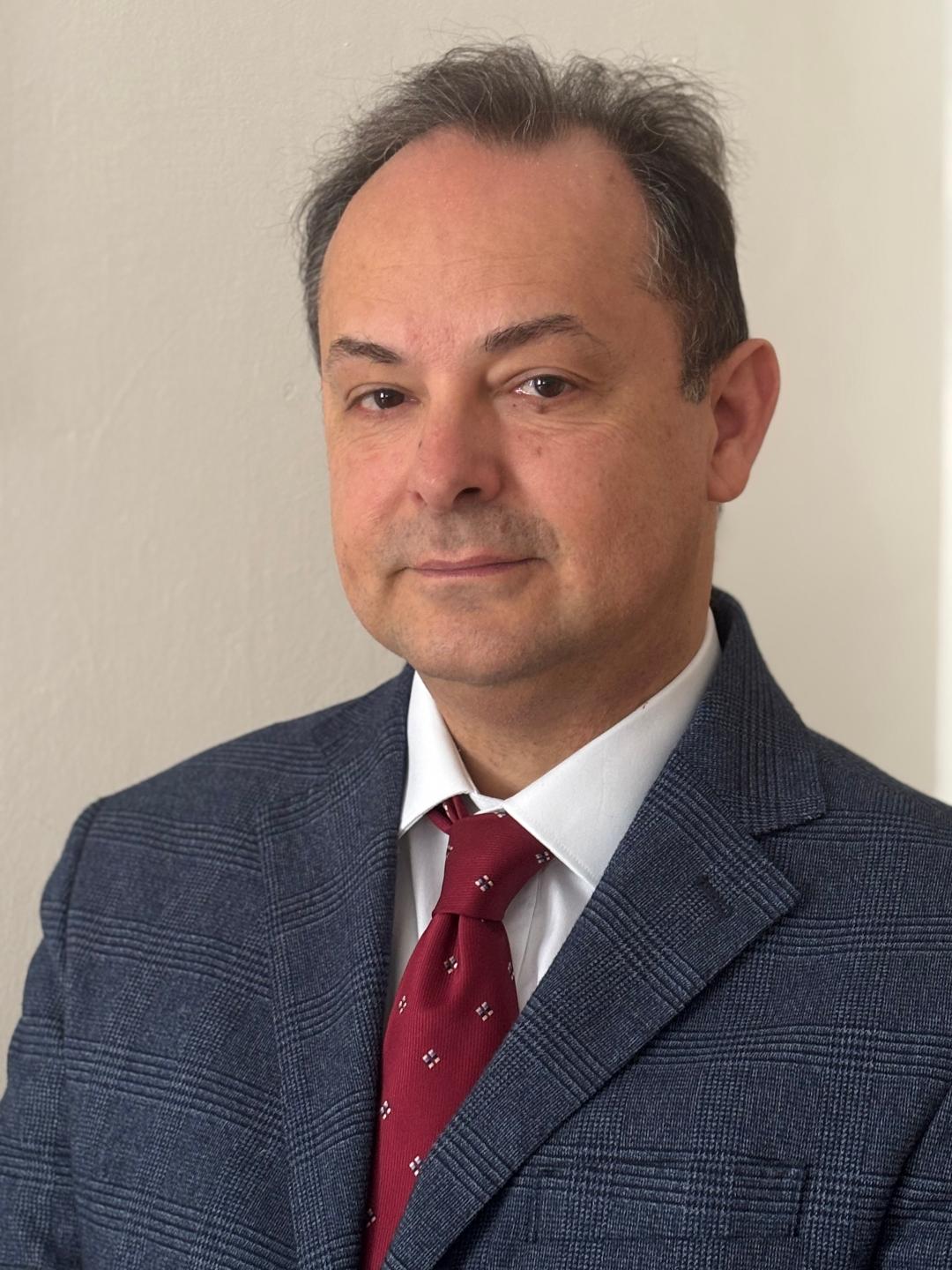
Giovanni Lucchi
Market Development Innovation Officer, Euspa
Giovanni Lucchi joined the EU Agency for the Space Programme in 2014 and currently has the role of Marked Development and Innovation Officer for the Space Market Segment within the MDI Department. He holds a degree in Telecommunications Engineering from the university of Bologna, Italy. Prior to joining EUSPA he worked mainly for Thales Alenia Space where he has held various positions including the Assembly Integration and Testing management of COSMO SkyMed first generation satellite #3 and the Kompsat-5 payload for KARI.’
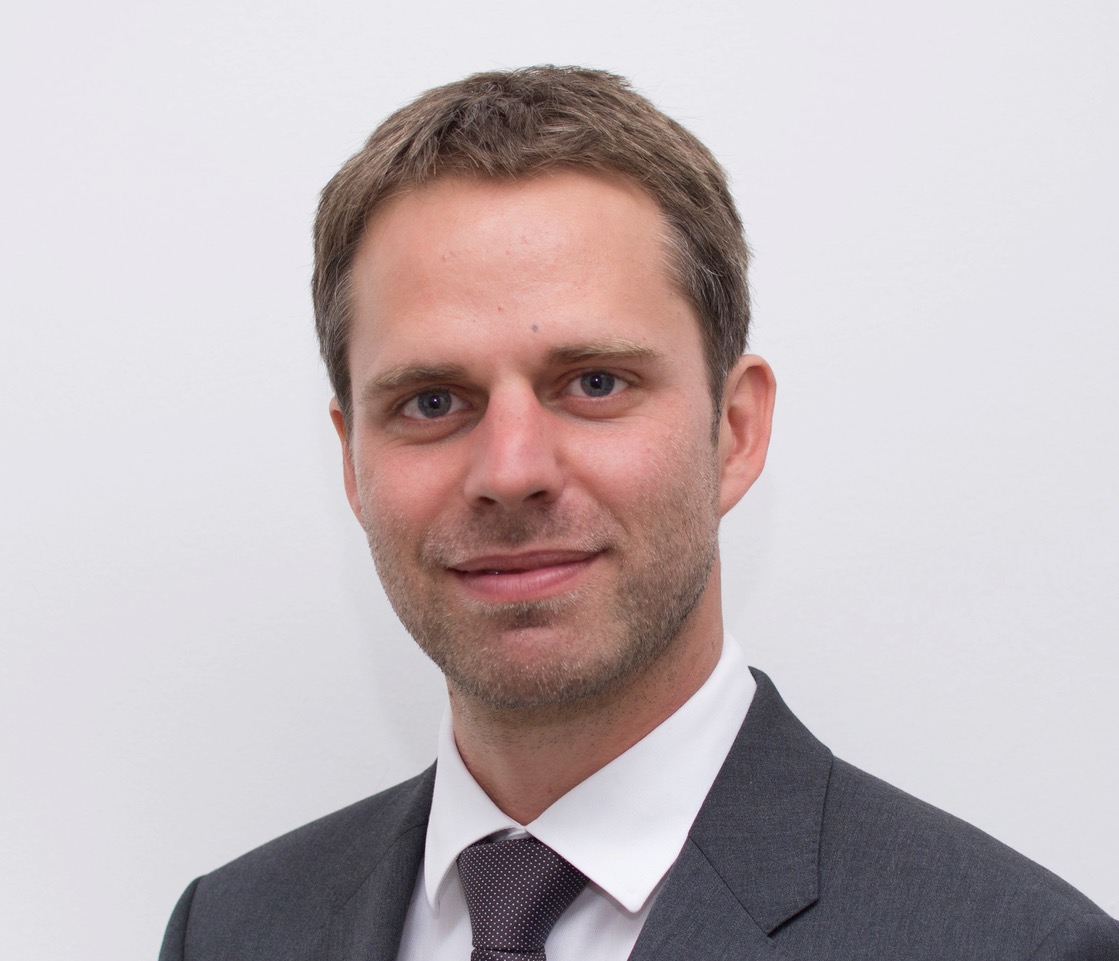
Matthias Schreitl
Satellite Navigation Expert, Austrian Research Promotion Agency
Matthias Schreitl is an Expert for Satellite Navigation at the Austrian Research Promotion Agency (FFG) in Vienna, where he has been shaping research and innovation in space technologies since 2017. In this role, he supports the development of positioning, navigation, and timing solutions, fostering collaboration between academia, industry, and public stakeholders.
He currently represents Austria in ESA’s Programme Board on Satellite Navigation and in the EU Space Programme Board for Galileo and EGNOS. He is also vice-president of the Austrian Institute of Navigation.
Matthias Schreitl received his PhD in Technical Physics from Vienna University of Technology (TU Wien) as part of the Vienna Doctoral Program on Complex Quantum Systems (CoQuS). His research explored fundamentals of a solid-state nuclear clock - an emerging technology with the potential to redefine precision timekeeping. His earlier work also included research on ultracold quantum gases.
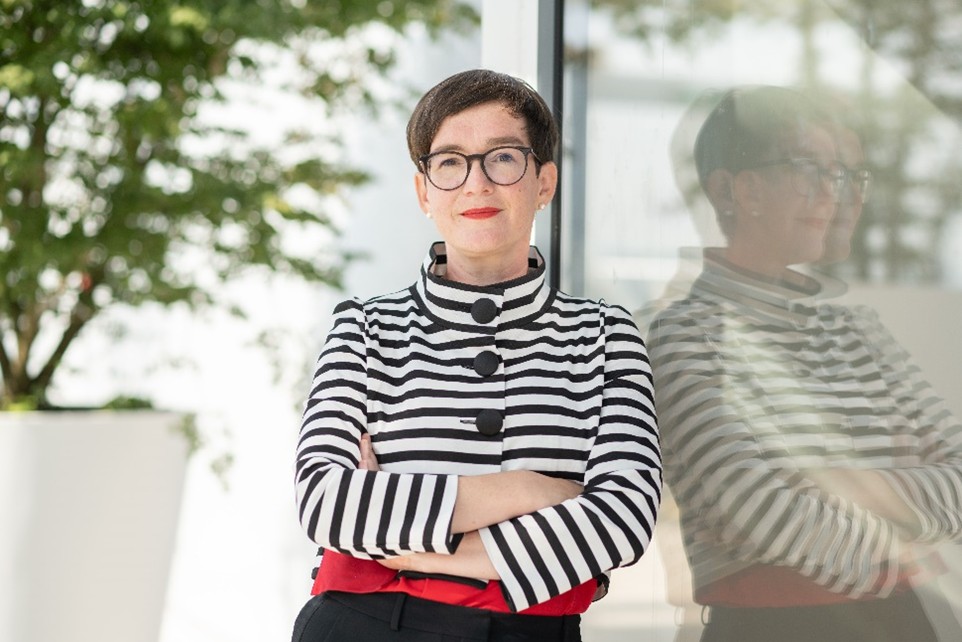
Henriette Spyra
Director General, Austrian Federal Ministry for Innovation, Mobility and Infrastructure
Henriette Spyra has been serving as Director General at the Austrian Federal Ministry for Innovation, Mobility and Infrastructure since 2021 following a two-year-term as Director Science & Innovation at the Austrian Environment Agency. As an innovation and mobility expert she looks back at a 15 year career in various public sector positions as well as research institutions. She is member of the supervisory board at AIT Austrian Institute of Technology as well as SAL Silicon Austria Labs. She also serves as co-president of the Climate & Energy Fund. A stubborn optimist Ms. Spyra enjoys bridging the worlds of policy, technology, sustainability and innovation. Originally from East Berlin, Ms. Spyra believes in falling walls. She holds degrees from the University of Oxford as well as the School of Advanced International Studies at Johns Hopkins University.